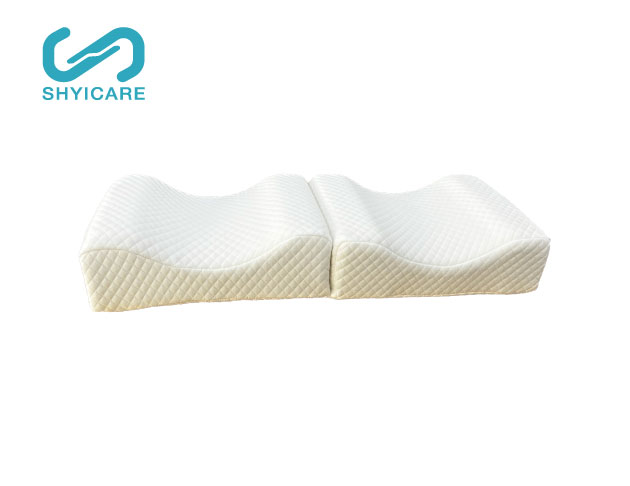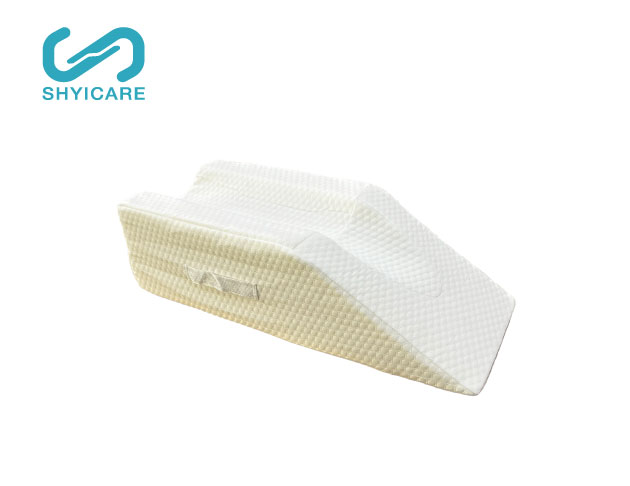


Size& Material
Size: 20" x 39"
Material: PU Foam
Anti Fatigue Mat for Comfortable Standing and Ergonomic Workplace Support
The Anti Fatigue Mat is designed to provide a more comfortable and supportive standing surface for people who spend extended periods standing during work or daily activities. Its cushioned construction provides an alternative to standing directly on hard flooring, helping create a more comfortable environment for standing work.
Prolonged standing on hard surfaces such as concrete, tile, wood, or other rigid flooring can contribute to discomfort and fatigue in the feet and lower limbs. Anti-fatigue mats are specifically designed to provide a resilient surface that can help improve comfort during extended standing periods. Occupational health guidance recognizes anti-fatigue mats as one possible ergonomic measure for workers who stand for long periods, while also emphasizing the importance of changing positions and considering footwear and overall workstation design.
The Anti Fatigue Mat provides a dedicated cushioned area beneath the user's feet. Compared with a conventional hard floor, the softer surface can provide additional cushioning and allow subtle changes in weight distribution while standing.
This makes the mat suitable for a wide range of standing workstations and workplace environments. It can be placed in front of a standing desk, workstation, service counter, reception desk, retail counter, or other area where employees regularly work while standing.
For modern offices, the Anti Fatigue Mat is particularly suitable for use with height-adjustable standing desks. Employees can alternate between sitting and standing throughout the workday while using the mat as a dedicated standing surface.
A standing desk alone does not eliminate the discomfort associated with prolonged standing. The flooring beneath the workstation also affects the overall standing experience. A cushioned anti-fatigue mat provides an additional ergonomic layer between the user's feet and the hard floor.
The resilient surface can encourage small natural changes in posture and weight distribution while standing. These subtle movements can be useful because remaining completely stationary for long periods can contribute to discomfort and fatigue. However, the mat should be considered one component of an overall ergonomic strategy rather than a replacement for movement or appropriate work-rest practices.
The Anti Fatigue Mat is suitable for users who frequently transition between different standing positions. The cushioned surface allows users to shift their weight naturally while working, which can make prolonged standing more comfortable than standing directly on a rigid floor.
For office environments, the mat can be positioned beneath a standing desk or shared workstation. It can complement other ergonomic products such as adjustable desks, ergonomic chairs, lumbar supports, footrests, and monitor stands.
For home offices, the mat provides a practical way to improve the comfort of a standing workstation without requiring major changes to the existing floor. It can be used whenever the user raises a sit-stand desk and wants a softer surface beneath the feet.
For reception desks and service counters, employees may remain standing for extended periods while assisting customers, answering inquiries, processing transactions, or performing administrative tasks. An anti-fatigue mat can provide a dedicated cushioned standing area in these environments.
For retail stores, employees often alternate between walking and standing while serving customers, stocking products, organizing displays, and operating counters. The Anti Fatigue Mat can provide additional comfort at fixed workstations where prolonged standing is common.
The mat can also be considered for workshops, laboratories, production areas, and other workplaces where employees perform tasks while standing in one location. The appropriate mat construction should always be selected according to the specific environmental conditions and workplace safety requirements.
A suitable anti-fatigue mat should provide a balance between cushioning and stability. A surface that is too hard may provide limited cushioning, while a surface that is excessively soft may feel unstable during standing or movement. The appropriate characteristics depend on the product design and intended application.
The mat's size is also an important consideration. It should provide enough standing area for users to move their feet naturally without creating unnecessary obstacles around the workstation.
Edge design is another important consideration for workplace use. A properly designed mat should sit securely on the floor and should not create unnecessary tripping hazards. Users should ensure that the mat remains flat and properly positioned during use.
The underside of the mat should also be appropriate for the intended floor surface. A stable base can help keep the mat in position while the user moves or changes standing posture.
For environments where slip resistance is important, users should verify the manufacturer's technical specifications regarding surface texture, underside grip, and compatibility with different floor conditions.
The Anti Fatigue Mat can also provide a more comfortable surface for users who work barefoot or in socks in home-office environments. In professional workplaces, suitable work footwear should continue to be selected according to the specific job and safety requirements.
The mat can be especially beneficial when used on hard flooring, where the difference between the cushioned surface and the surrounding floor may be more noticeable. On carpeted flooring, the additional benefit may vary depending on the carpet construction and existing cushioning.
Cleaning and maintenance are also important for long-term use. The surface should be cleaned according to the manufacturer's recommendations, particularly in shared workplaces where multiple users may use the same mat.
Regular inspection can help identify potential problems such as surface deterioration, deformation, cracks, damaged edges, or loss of stability. A damaged mat should be removed from service if it creates a potential workplace hazard.
The Anti Fatigue Mat can also be integrated into a broader workplace ergonomics program. Ergonomic standing comfort depends on multiple factors, including workstation height, posture, footwear, task design, movement, breaks, and flooring conditions.
Users should therefore avoid treating the mat as a replacement for good ergonomic practices. Changing positions between sitting, standing, and walking can be an important part of managing the physical demands of prolonged standing.
For businesses, an anti-fatigue mat provides a relatively simple way to improve the comfort of existing standing workstations. It does not require replacing the entire workstation and can be added as an ergonomic accessory where prolonged standing is part of the job.
For B2B distributors, the Anti Fatigue Mat can complement a broad range of ergonomic and workplace products. It can be offered alongside standing desks, ergonomic chairs, footrests, lumbar cushions, monitor accessories, and other office wellness products.
The product can also be suitable for businesses with multiple standing workstations. Offices, reception areas, customer service centers, retail stores, laboratories, workshops, and other facilities can use anti-fatigue mats according to their individual workplace requirements.
When selecting an Anti Fatigue Mat, users should consider mat dimensions, thickness, cushioning performance, firmness, surface texture, edge design, underside stability, floor compatibility, cleaning requirements, and intended working environment.
The appropriate level of cushioning depends on the application. A professional standing workstation may require different characteristics from a home office, retail counter, or industrial work area. Environmental factors such as moisture, oil, chemicals, heat, and equipment traffic should also be considered where applicable.
The mat should be positioned on a clean and reasonably level surface. Users should ensure that surrounding cables, chairs, drawers, equipment, and walkways do not interfere with the mat.
The Anti Fatigue Mat can also contribute to a more defined and organized standing workstation. By creating a dedicated standing area, it can help distinguish the active work zone from surrounding floor space.
For shared workstations, a properly sized mat can provide a comfortable standing area for different users without requiring individual modifications to the flooring.
The product is also suitable for ergonomic workplace programs focused on reducing discomfort associated with prolonged standing. However, individual responses to anti-fatigue mats vary, and the mat should be selected according to the user's work conditions and comfort preferences.
Overall, the Anti Fatigue Mat provides a practical ergonomic solution for users who spend extended periods standing. Its cushioned surface can provide additional comfort compared with rigid flooring and can be easily incorporated into offices, standing desks, service counters, retail environments, and other standing work areas.
By combining cushioned standing support, ergonomic comfort, workplace versatility, standing desk compatibility, and practical floor protection, the Anti Fatigue Mat provides a convenient solution for creating a more comfortable standing environment.
What is an Anti Fatigue Mat used for?
An Anti Fatigue Mat is designed to provide a cushioned and more comfortable standing surface for people who spend extended periods standing at work or during daily activities.
Can an Anti Fatigue Mat help with standing discomfort?
The cushioned surface can help improve comfort compared with standing directly on hard flooring. Individual results vary depending on the user, footwear, workstation, flooring, and duration of standing.
Can it be used with a standing desk?
Yes. The Anti Fatigue Mat is suitable for standing desks and height-adjustable workstations, providing a dedicated cushioned surface when working in a standing position.
Where can an Anti Fatigue Mat be used?
It can be used in offices, home offices, reception areas, retail stores, service counters, workshops, laboratories, and other suitable standing work environments.
What should I consider when choosing an Anti Fatigue Mat?
Important factors include size, thickness, firmness, cushioning, surface texture, edge design, underside stability, floor compatibility, cleaning requirements, and the intended workplace environment.