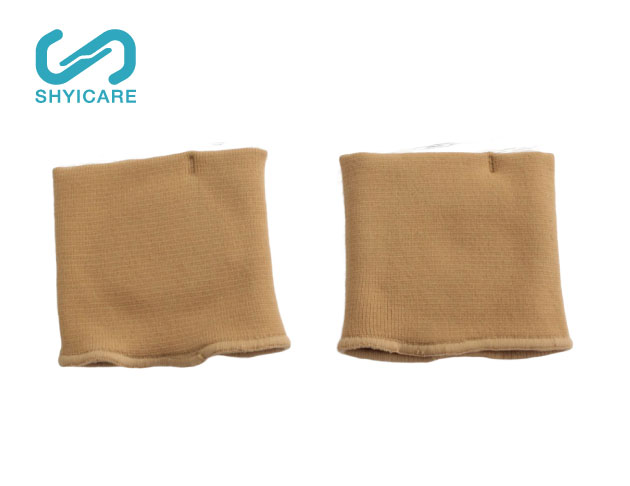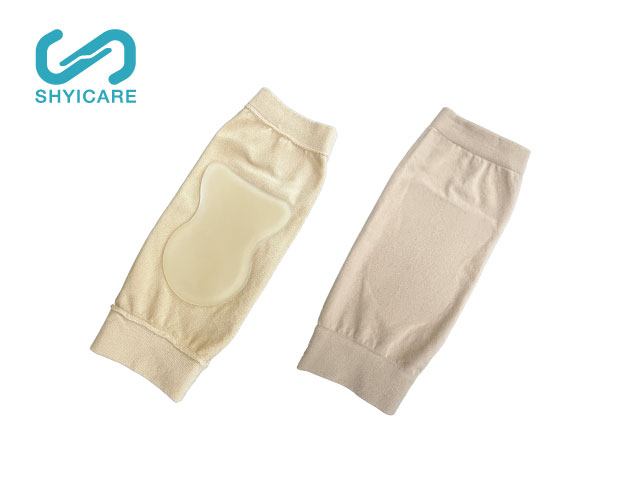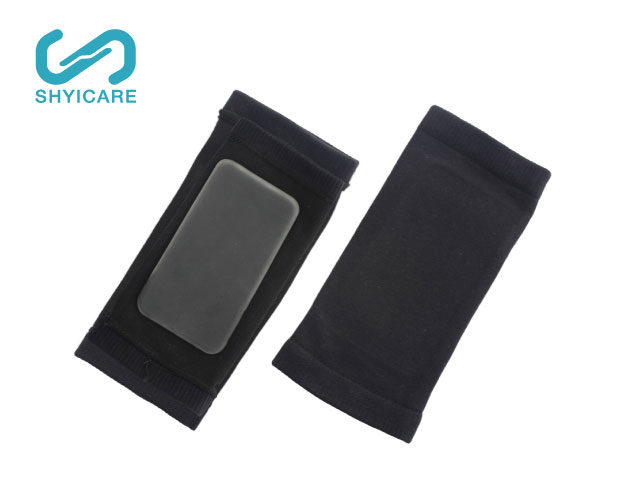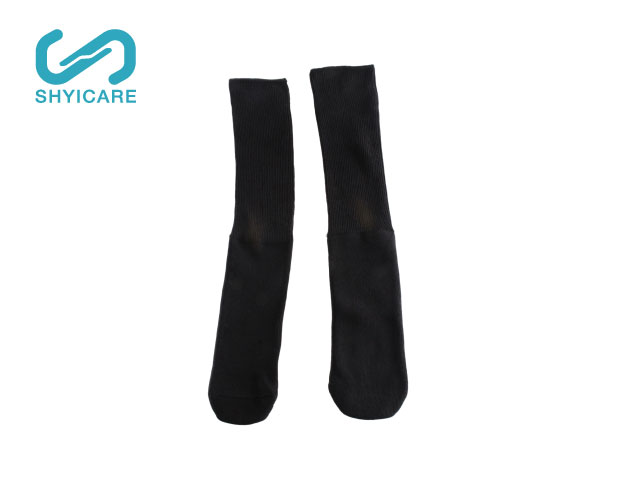


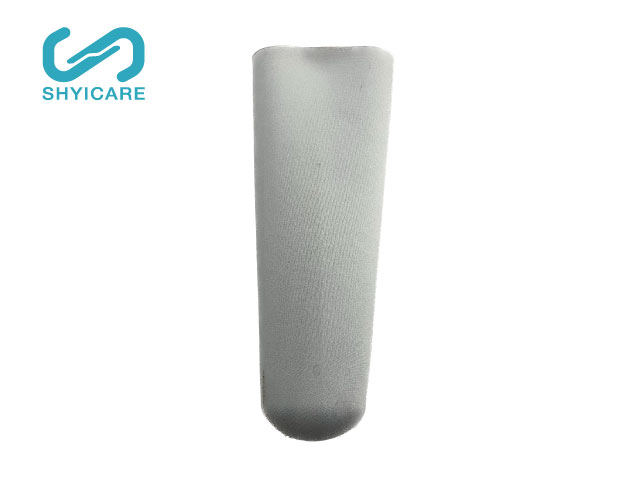
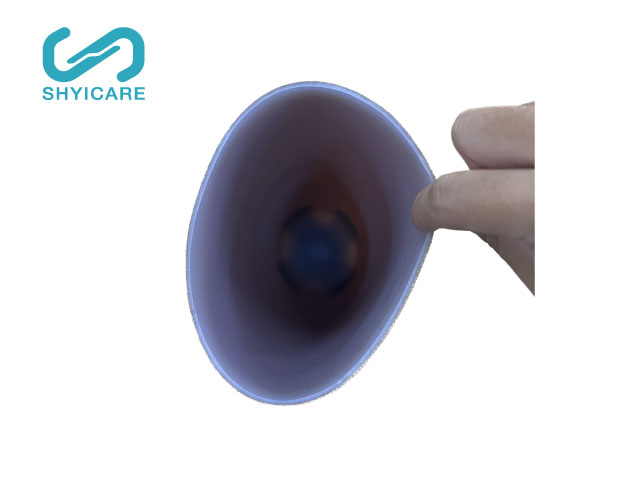
Size&Material
Material: Silicone
Size: 400*dia13mm
Amputee Silicone Liner Socks for Prosthetic Comfort and Fit
Amputee Silicone Liner Socks are designed as an interface between the residual limb and a prosthetic socket, depending on the product's construction and intended application. They are used in prosthetic care to provide a contact layer that supports fit and wearing comfort. The appropriate liner depends on the individual's needs, prosthetic system, and professional fitting recommendations.
Made with silicone material, a Silicone Prosthetic Liner offers a flexible interface designed to conform to the shape of the residual limb. Material properties, liner thickness, and overall construction can influence flexibility, cushioning, and skin contact. Specific performance characteristics should be confirmed through the manufacturer's product specifications.
Prosthetic Liner Socks are available in different designs to accommodate various prosthetic systems and user requirements. Depending on the model, features may include different thicknesses, lengths, surface finishes, or attachment designs. Selecting a compatible liner is important because its dimensions and construction can affect the fit between the residual limb and the prosthetic socket.
A Silicone Residual Limb Liner should be selected according to the user's prosthetic configuration and fitting requirements. Correct application and positioning are important to help avoid folds, uneven pressure, or unwanted movement. Users should follow the instructions provided by the manufacturer and prosthetist, particularly when fitting a new liner or changing to a different model.
For prosthetic suppliers, rehabilitation providers, and healthcare distributors, Amputee Prosthetic Liners are an important category of prosthetic accessories. When evaluating a product, consider its silicone composition, dimensions, thickness, compatibility with the prosthetic socket, cleaning requirements, and expected replacement schedule. Proper care and regular inspection can help maintain the liner's condition and suitability for continued use.
What material is used in Amputee Silicone Liner Socks?
Amputee Silicone Liner Socks are designed around silicone material. The exact silicone formulation, thickness, and surface properties depend on the specific model and should be verified in the manufacturer's specifications.
How do I choose the correct size of a Silicone Prosthetic Liner?
Size selection depends on residual limb measurements, liner design, and compatibility with the prosthetic socket. Follow the manufacturer's sizing guide and consult a prosthetist to ensure the liner fits appropriately.
Are Prosthetic Liner Socks compatible with all prosthetic sockets?
No. Compatibility depends on the liner's dimensions, design, attachment system, and the prosthetic socket configuration. Confirm compatibility with the product specifications and your prosthetic care professional before use.
How should a Silicone Residual Limb Liner be cleaned?
Cleaning instructions vary by product. Follow the manufacturer's guidance for washing, rinsing, drying, and storage. Avoid cleaning agents or methods that are not approved for the specific silicone material.
When should an Amputee Prosthetic Liner be replaced?
Replacement timing depends on the manufacturer's recommendations, frequency of use, and the liner's condition. Inspect it regularly for tears, surface damage, changes in shape, or reduced fit. Consult a prosthetist if the liner becomes uncomfortable or no longer fits as intended.