


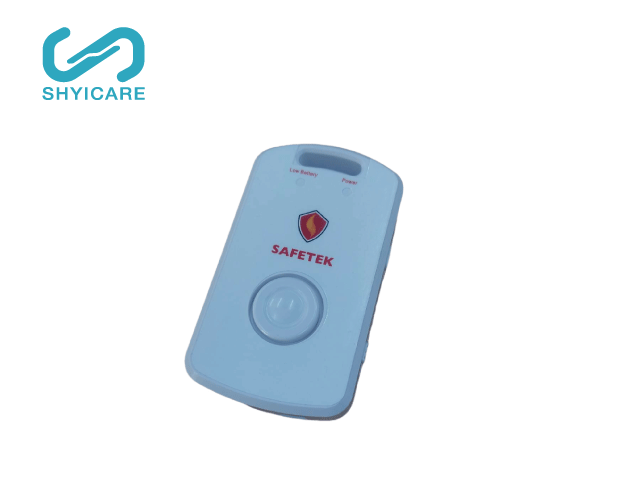
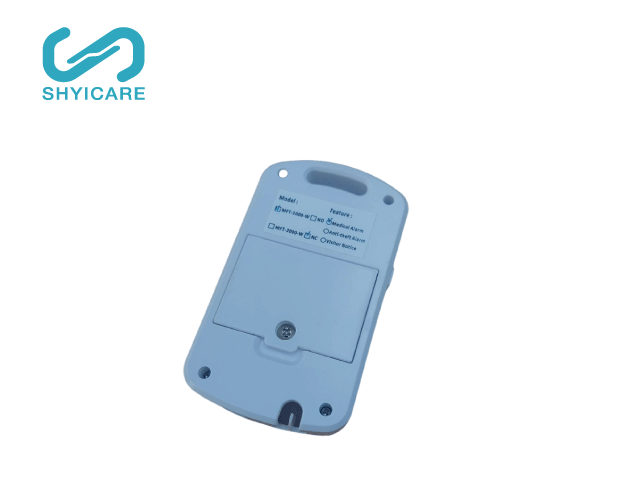
Size&Material
Material: PE
Alarm Receiver for Patient Bed and Chair Monitoring Systems
An Alarm Receiver is designed to work with compatible sensor pads and alarm systems to notify caregivers when specific monitoring conditions are detected. In healthcare facilities, nursing homes, assisted-living environments, and home-care settings, an alarm receiver can provide an additional way for caregivers to stay aware of bed or chair occupancy changes and respond when assistance may be needed.
A Bed Alarm Receiver or Chair Alarm Receiver receives signals from a compatible sensor pad or monitoring device and activates an alert according to the system's configuration. Depending on the model, alerts may use audible signals, visual indicators, or other notification methods. The available functions, alert settings, and communication range vary by product, so users should refer to the manufacturer's specifications before use.
A Patient Alarm Monitoring Device can support daily caregiving routines by helping caregivers identify situations that require attention. When connected to an appropriate sensor system, the receiver may notify caregivers when a monitored person leaves a bed or chair, depending on the sensor type and system setup. It is intended as a supplementary monitoring aid and should not replace direct supervision, individualized care planning, or appropriate fall-prevention measures.
Before using a Wireless Sensor Alarm Receiver, confirm that it is compatible with the intended sensor pad. Check the model number, connection or pairing requirements, power supply, and available alert functions. For wireless systems, follow the manufacturer's pairing instructions and verify that the sensor and receiver communicate reliably at the intended installation location.
Regular inspection and functional testing help maintain the performance of an Alarm Receiver. Check the power supply, alert indicators, controls, and connections where applicable. Test the receiver together with its compatible sensor pad according to the manufacturer's instructions, and address any malfunction before relying on the system during caregiving. Proper setup and routine checks help support consistent monitoring in both professional care and home-care environments.
What is an Alarm Receiver used for?
An Alarm Receiver is designed to receive signals from compatible sensor pads or monitoring devices and notify caregivers when configured monitoring conditions are detected. It can be used as part of a bed or chair alarm system.
Can one Alarm Receiver work with both bed and chair sensor pads?
This depends on the receiver model and the compatible sensor system. Check the manufacturer's specifications or consult the supplier to confirm which sensor pads the receiver supports.
How do I connect an Alarm Receiver to a sensor pad?
Follow the manufacturer's instructions for the specific model. Depending on the system, connection may involve a cable or a wireless pairing procedure. Test the complete system after setup.
What should I do if the Alarm Receiver does not sound an alert?
Check the power supply, sensor connection or pairing, and system settings. Test the receiver with its compatible sensor pad according to the manufacturer's instructions. If the problem continues, contact the supplier for assistance.
How often should an Alarm Receiver be tested?
Follow the manufacturer's recommended testing schedule and check the system before use in a care setting. Regular functional tests help confirm that the receiver responds correctly to its compatible sensor pad.