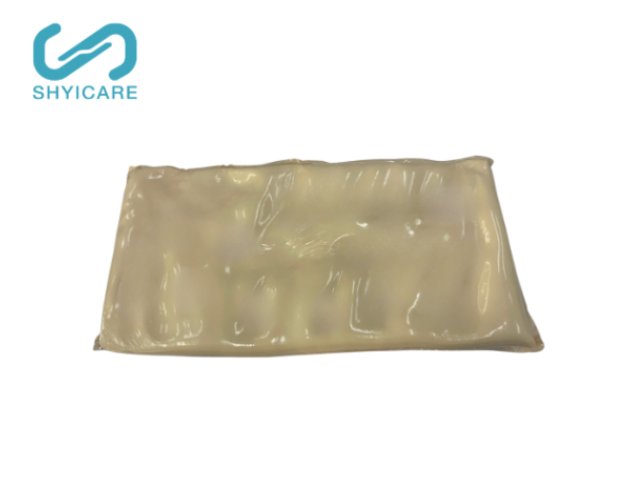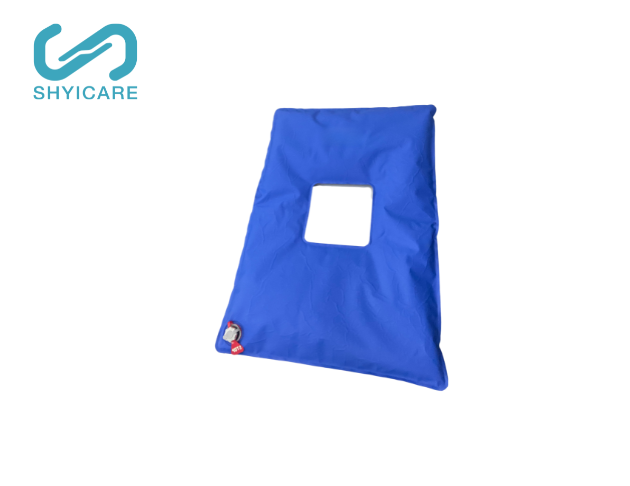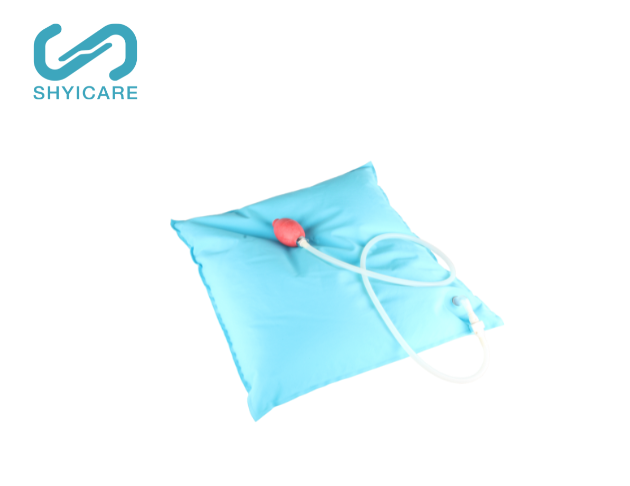


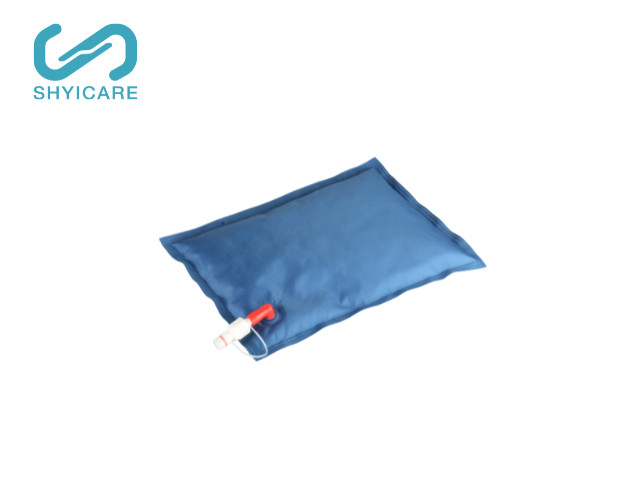
Size & Material
Size: 74 x 42mm(Customizable)
Material: PVC nylon EPS grains
Vacuum Cushion for Customized Positioning and Enhanced Patient Support
The Vacuum Cushion is an advanced positioning solution designed to provide customized support, effective immobilization, and improved patient comfort during medical procedures, diagnostic imaging, rehabilitation, and long-term care applications. Utilizing innovative vacuum fixation technology, the cushion conforms precisely to the patient’s body shape, creating a personalized support structure that enhances positioning stability.
Maintaining proper patient positioning is essential during procedures where movement control and anatomical alignment are required. The Vacuum Cushion helps minimize unwanted movement by adapting to individual body contours and providing secure support without excessive pressure. This makes it an ideal solution for applications requiring accurate positioning and prolonged patient comfort.
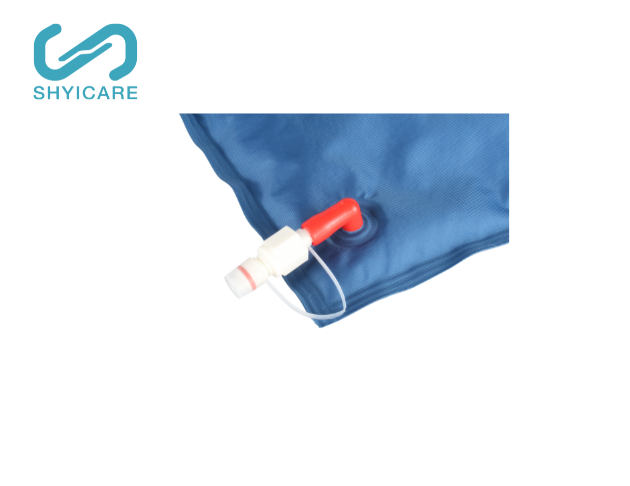
The cushion features a flexible inner structure filled with lightweight particles. When air is removed through the vacuum valve, the particles compress and lock together, transforming the cushion from a soft, flexible pad into a firm and stable support device. This allows healthcare professionals to create a customized shape that matches the patient’s anatomy and positioning requirements.
Unlike traditional foam positioning products, the vacuum design provides adjustable molding capability and personalized support. The cushion can be shaped according to different body areas, including the head, shoulders, arms, legs, hips, spine, and full body, depending on the clinical application.
Manufactured with durable and medical-grade materials, the Vacuum Cushion is designed for repeated clinical use. The outer cover is resistant to moisture and easy to clean, supporting infection-control requirements in hospitals, imaging centers, and healthcare facilities. Its lightweight design also allows convenient handling, repositioning, and storage.
The Vacuum Cushion is widely used in MRI imaging, radiology departments, operating rooms, rehabilitation centers, intensive care units, and patient care environments. It is especially beneficial for patients requiring additional positioning support, including pediatric patients, elderly individuals, patients with limited mobility, and those undergoing lengthy procedures.
By combining vacuum molding technology, customized patient positioning, pressure redistribution, and reusable durability, the Vacuum Cushion provides healthcare professionals with a reliable solution for improving patient safety, comfort, and procedural efficiency.
What is a Vacuum Cushion used for?
A Vacuum Cushion is used to provide customized positioning, immobilization, and support for patients during medical procedures, imaging, and rehabilitation.
How does a Vacuum Cushion work?
When air is removed from the cushion, the internal particles compress and lock together, creating a firm customized shape that supports the patient's body.
What are the benefits of vacuum positioning technology?
It provides personalized molding, improved stability, reduced patient movement, and enhanced comfort compared with standard positioning cushions.
Which body areas can a Vacuum Cushion support?
It can be shaped to support the head, neck, shoulders, arms, back, hips, legs, knees, and other anatomical areas according to clinical requirements.
Where is a Vacuum Cushion commonly used?
It is commonly used in hospitals, MRI centers, radiology departments, operating rooms, rehabilitation facilities, intensive care units, and long-term care environments.